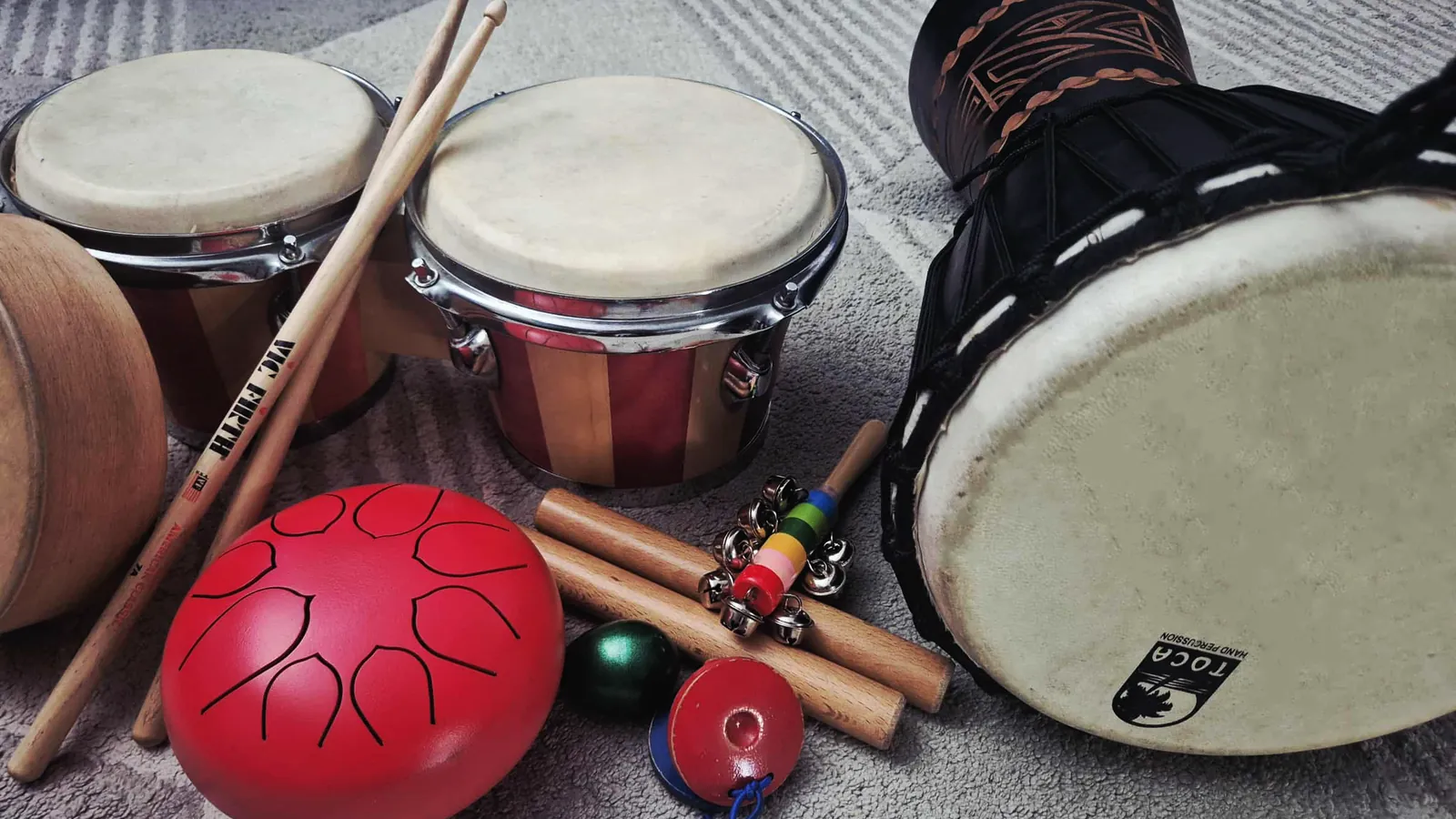
1:1 sessions focussing on your individual and unique functional goals. Sessions range from 30 - 60 minutes with additional time for documenting progress.
Groups range from 2 - 4 people and are tailored to meet group members functional goals. Sessions range from 45 - 75 minutes including time for documenting progress.
Music from the Hart was created in 2012 by Sarah-Jayne Hart, and was created as a Music Therapy service for adults with disabilities to access at their homes. Music from the Hart provides person-centred services bearing in mind that every person is different, with different upbringings, cultural backgrounds, spiritual underpinnings, skills, talents and abilities.
Support individuals to maintain and build upon their unique skills and abilities to achieve their goals towards health and wellbeing through music.
Engagement through music
Empowering through relationship
Expressing with confidence
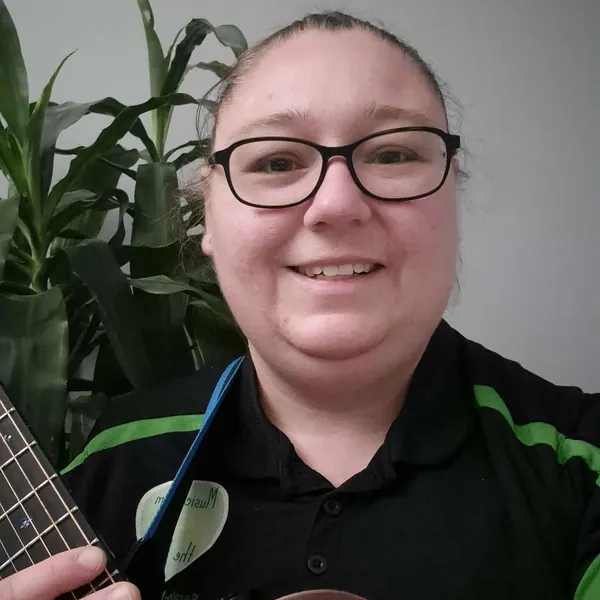
Registered Music Therapist & Founder of Music from the Hart
BCA Music Performance, Grad. Dip. Music Therapy
I am a Registered Music Therapist with the Australian Music Therapy Association. I received my Bachelor of Creative Arts (Music Performance) in 2006 and my Graduate Diploma in Music Therapy in 2009. Since becoming a Registered Music Therapist I have had the privilege of working with adults with disabilities in a private practice capacity beginning in 2011.
My passion since first being exposed to music-making with others back in 1995 was to see the people around me expressing themselves and engaging with music in their everyday lives. Through my work as a Music Therapist I have the honour of assisting adults with disabilities to increase their communication and social skills, cognitive skills, emotional and regulation skills, and motor skills through a therapeutic musical relationship in order to maintain and enhance the skills and abilities they already posses as they move towards their established functional goals.
I have personally witnessed the power and beneficial results that Music Therapy can have for adults with disabilities when facilitated by an appropriately qualified and trained Registered Music Therapist. All sessions are facilitated by myself and I, like all other RMTs, must participate in regular and ongoing professional development in adherence to the AMTA's Code of Conduct and Standards of Practice.
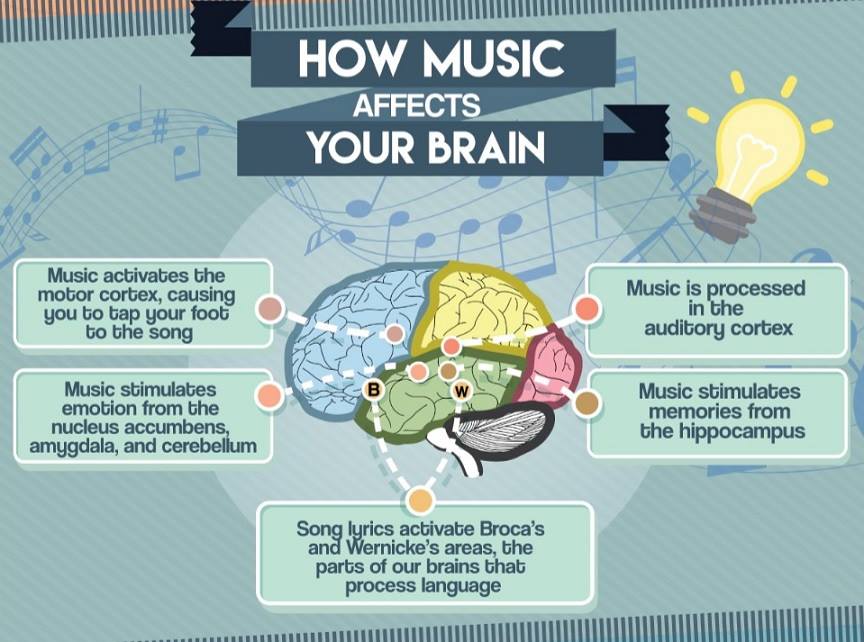
Improve mood, reduce anxiety, and develop healthy coping strategies through musical expression.
Enhance memory, attention, and executive function through structured musical activities.
Build communication abilities, interpersonal relationships, and community connections.
Support motor skills, coordination, and physical rehabilitation through movement and rhythm.
Develop verbal and non-verbal communication skills in a supportive, creative environment.
Work toward personalized therapeutic goals through engaging, music-based interventions.
Music therapy is a research-based allied health profession where music is used within a therapeutic relationship to support people in improving their health, functioning, and wellbeing.[1][2] It is an evidence-based practice that uses music-based interventions to help manage physical and mental health and enhance quality of life.[3]
It is practiced by Registered Music Therapists (RMTs) who have completed an accredited university master's degree and are registered with the Australian Music Therapy Association (AMTA).[2] These university-trained professionals are bound by a code of ethics that informs their practice and work as part of multidisciplinary teams in a variety of settings.[2]
RMTs use a range of music-based methods that are tailored to the client's specific needs.[4] These can include singing, songwriting, musical improvisation, playing instruments, and listening to music to actively support a client's specific cognitive, physical, or socio-emotional goals.[1]
Music therapy is used in a wide variety of sectors, including health, community, aged care, disability, palliative care, and special education.[5][6] RMTs work with people of all ages and abilities, and a person does not need to have any prior musical background to benefit from it.[6]
Please note: Music Therapy sessions are only eligible for NDIS funding when delivered by a Registered Music Therapist accredited with the Australian Music Therapy Association.
Get in touch with us directly or feel free to reach out during our operating hours.